
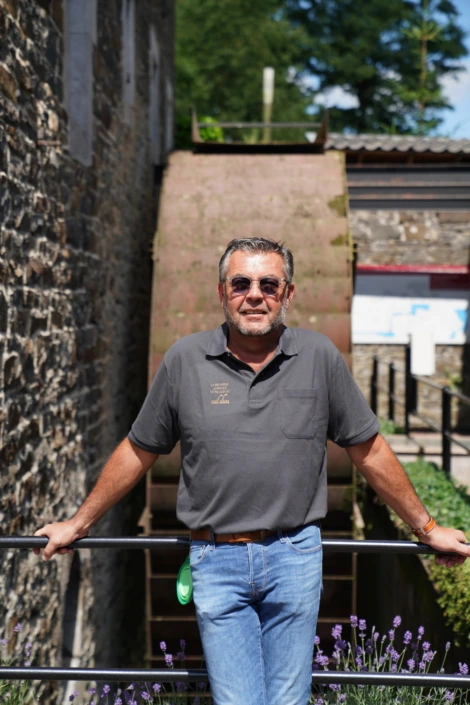
Christian Hick
- Accounting and administrative department.
- Commercial relations.
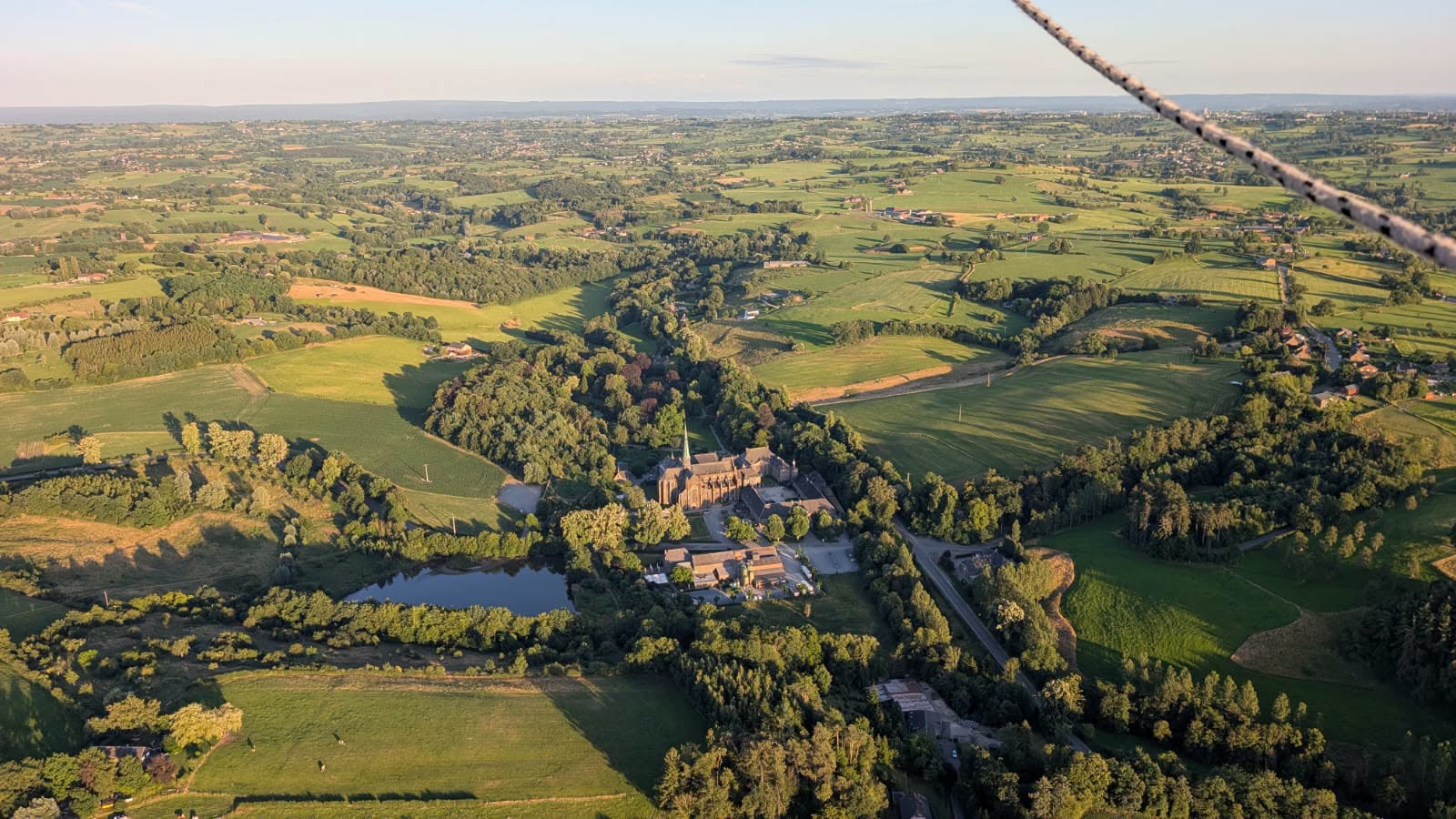
The history of the flour mill begins in the 13th century, when Cistercian monks settled in the region and founded Val-Dieu Abbey.
As in any abbey living largely in self-sufficiency, a mill was built to grind the grain grown by the monks and produce the flour needed to make bread. Thus began the history of the Val-Dieu Flour Mill.
Over the centuries, the mill developed at the pace of the Abbey, evolving, rebuilding, expanding, and accompanying the transformations of the surrounding region.
Over eight centuries of history have shaped the Val-Dieu Flour Mill. From its monastic origins to its current activities, the site has always been able to evolve without losing its identity.
1216
Henry III, Duke of Limburg, and Lothair II, Count of Dalhem, grant land to the Cistercian monks. These acts of transfer mark the birth of Val-Dieu Abbey.
1789
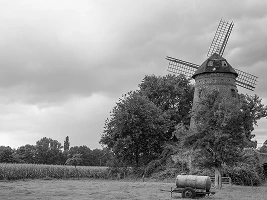
After the French Revolution, the Mill was sold and became secular private property. A new chapter began in the site's history.
1919
The Hick family settled at Val-Dieu. Throughout the 20th century, they gradually acquired the Mill, the farm, and several hectares of land.
1972
Faced with changes in the agricultural sector, the decision was made to phase out the outdated facilities of the old Mill and invest in new, modern equipment.
1990
The Flour Mill continues to expand. New activities emerge, including the restaurant set up in the old mill and the promotion of premium differentiated poultry products.
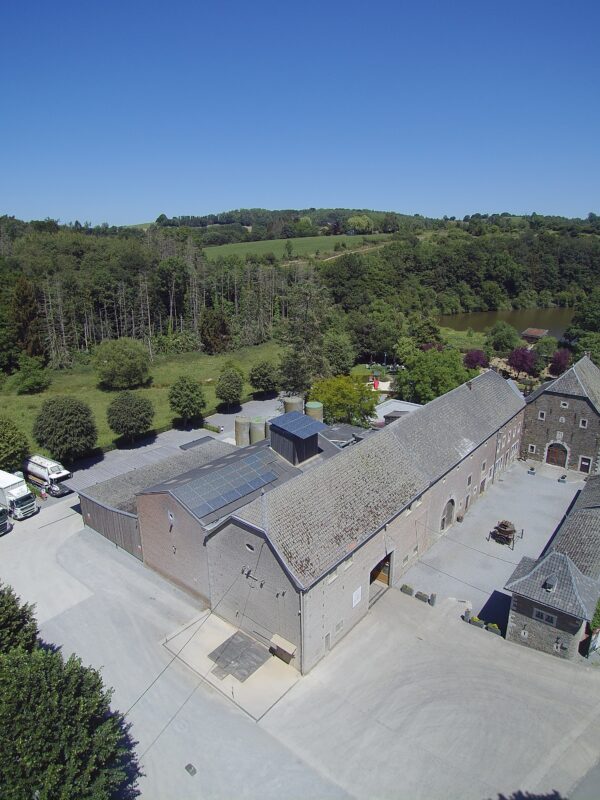
The history of the Val-Dieu Mill is more than just the story of an old building. It is also the story of a location that has adapted to changes in agriculture, the needs of livestock farmers, client expectations, and modern challenges.
The flour mill remains at the core of this journey. It has modernized over time with facilities tailored to current standards, while retaining family expertise and a hands-on approach.
Surrounding it, other ventures have extended the site’s identity: the Mills, Livestock Farming, the Restaurant, and the Nature Reserve. Each plays its own role, yet all contribute to the shared history of Val-Dieu.
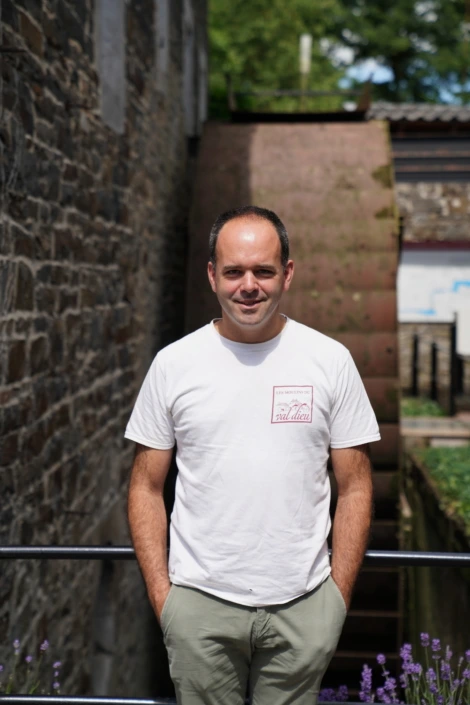
Christian Hick
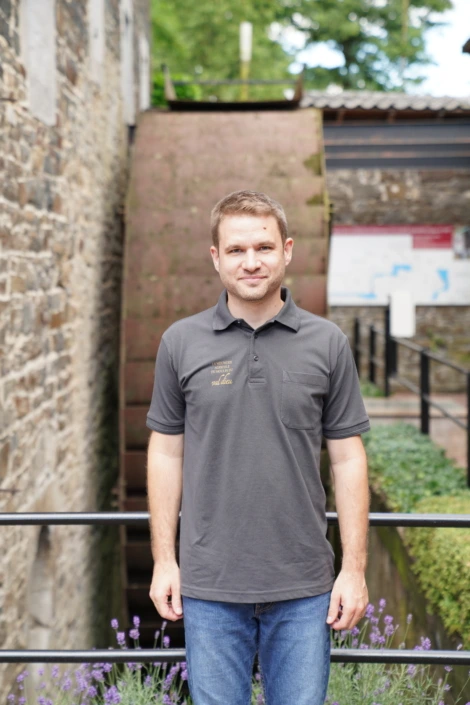
Benoit Tyberghein
Xavier
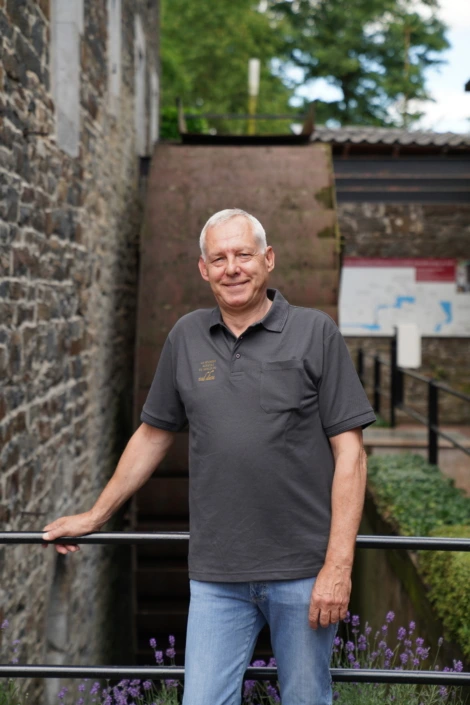
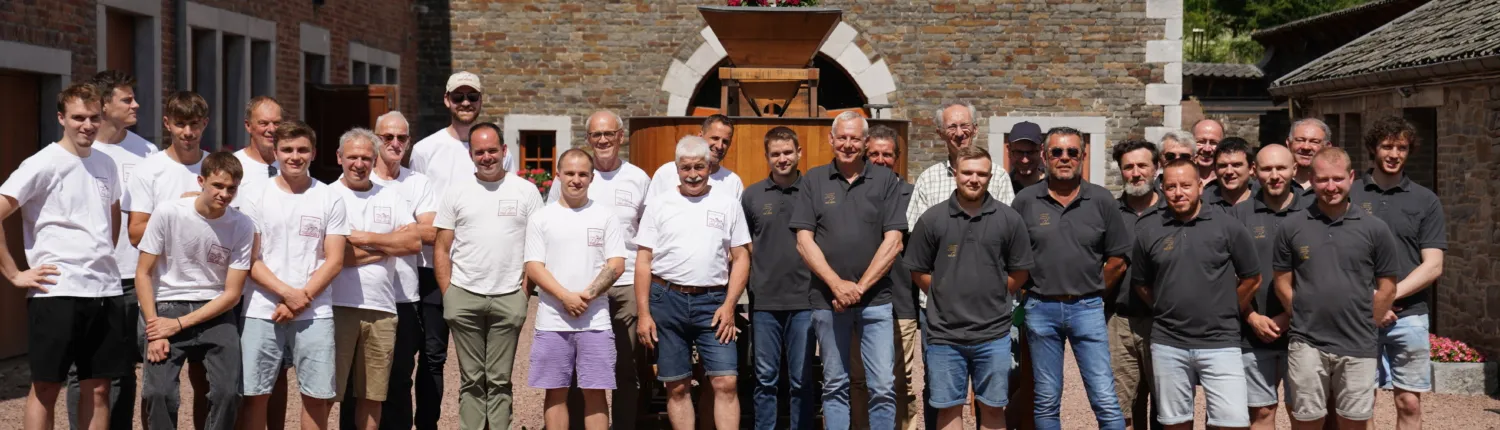
Philippe Van Laethem
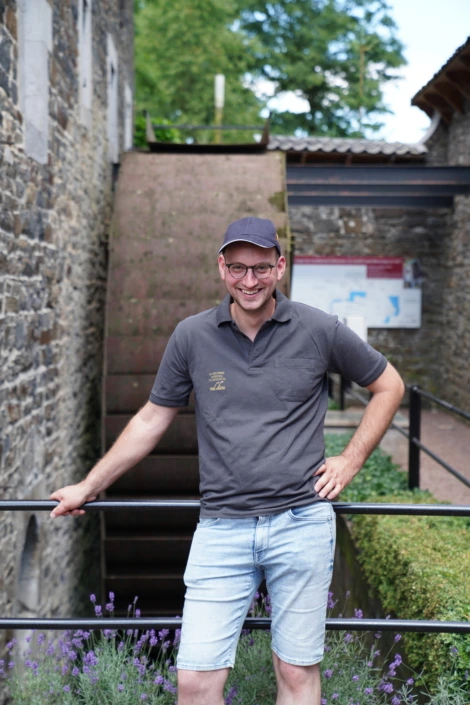
Antoine
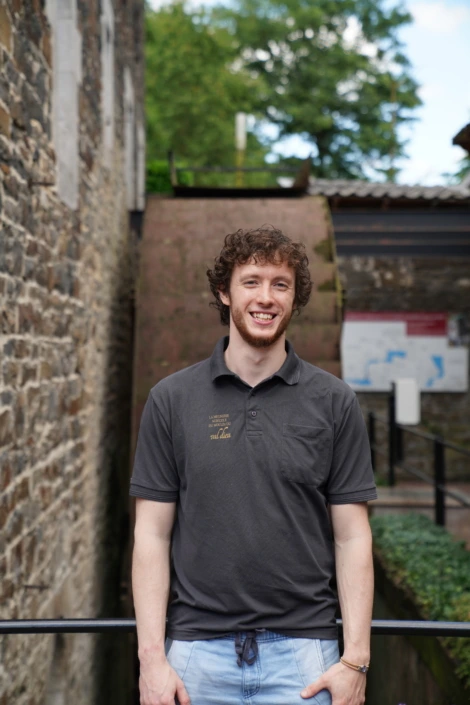
Noah
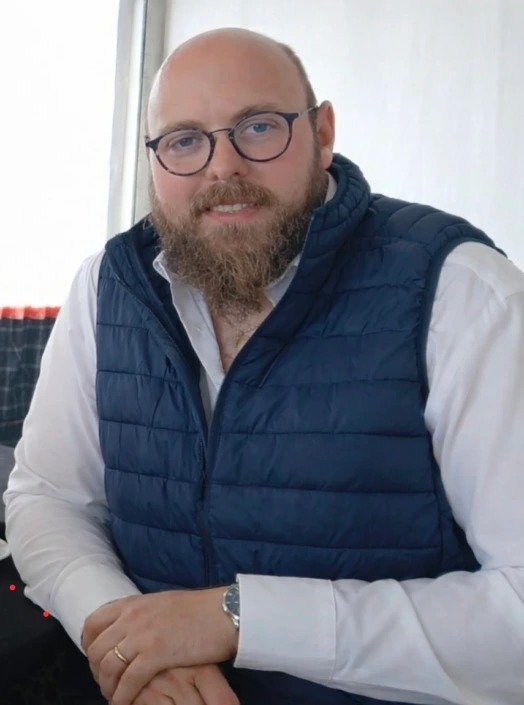
Steve
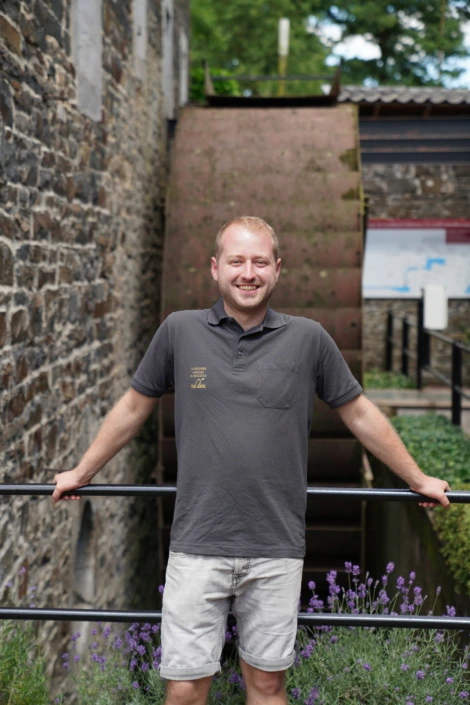
Thibault
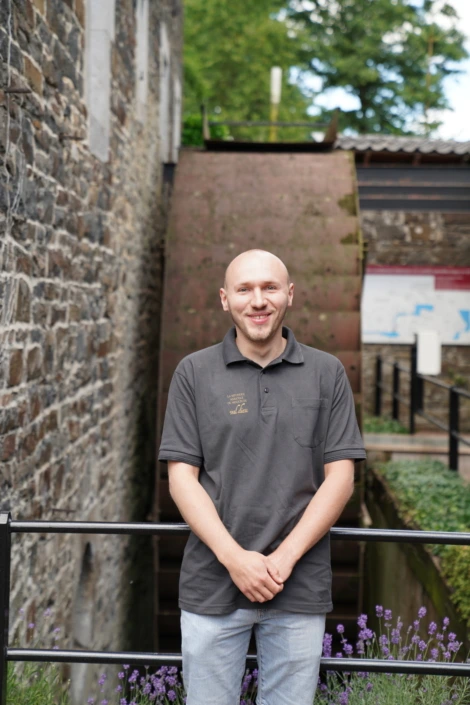
Florent
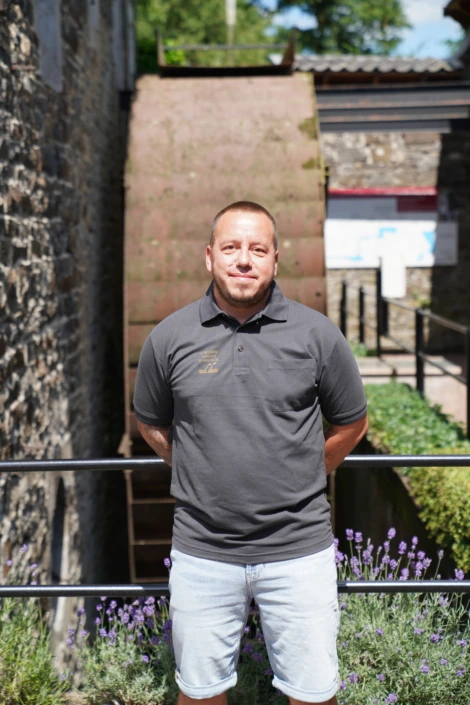
Pascal
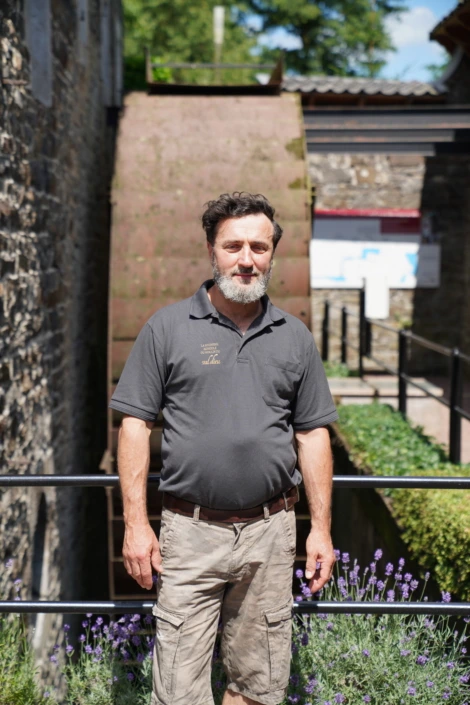
Christophe
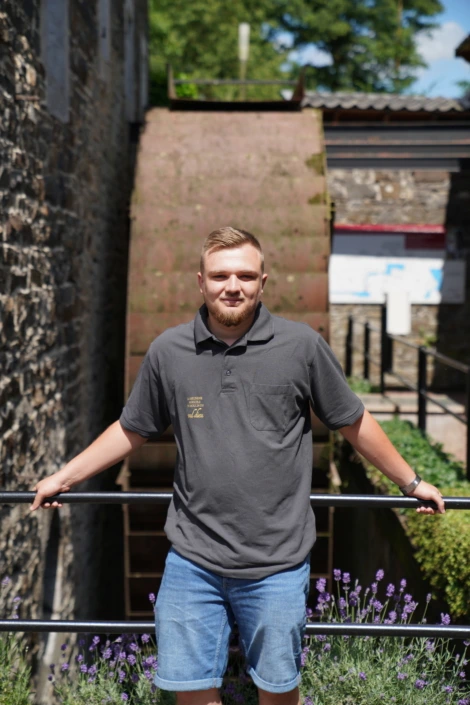
Nolann
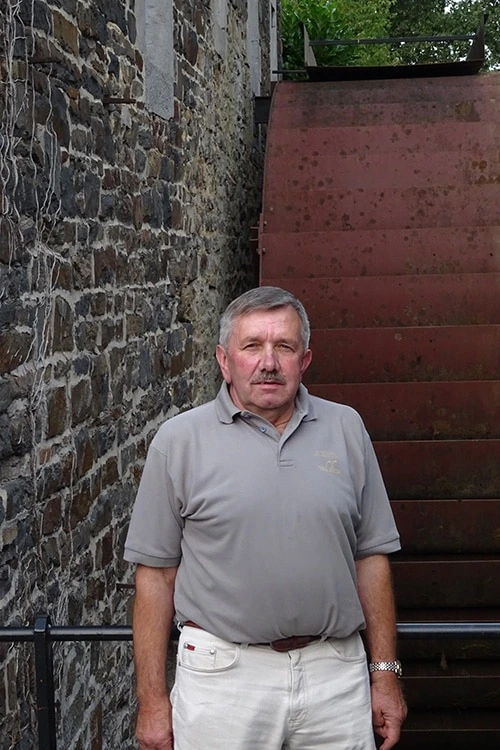
Jean-Pierre
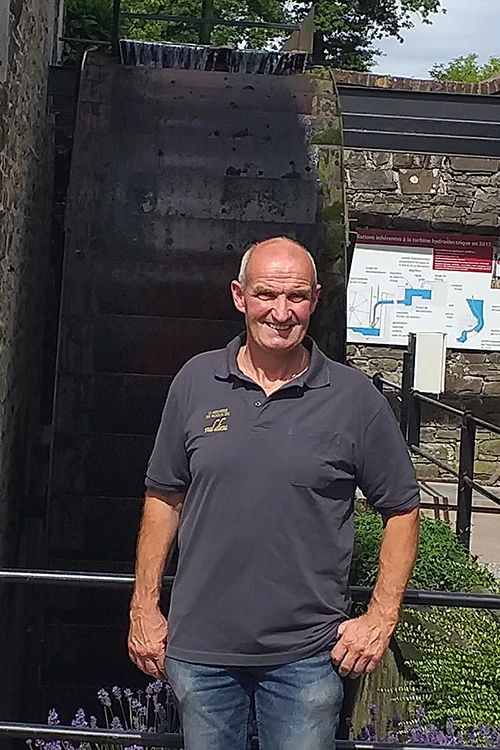
Luc
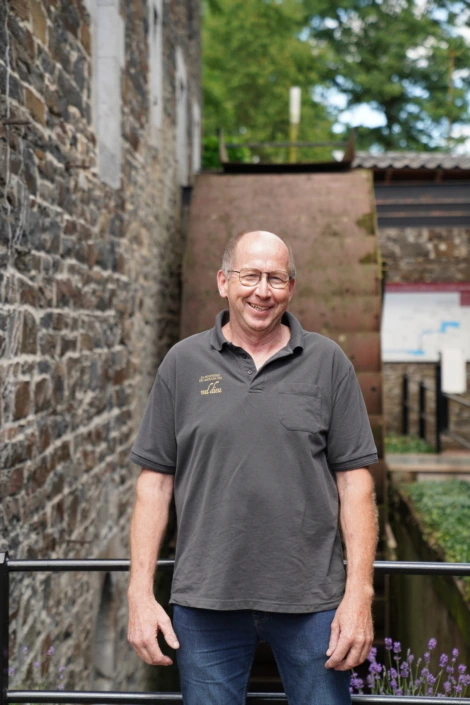
Jean-Louis
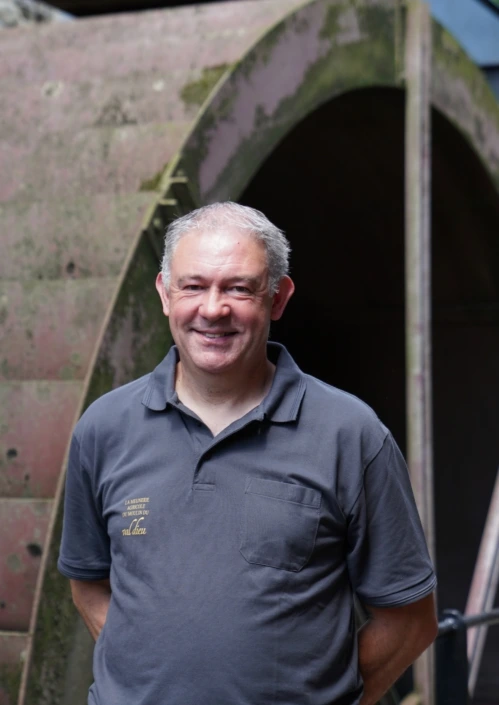
Guy
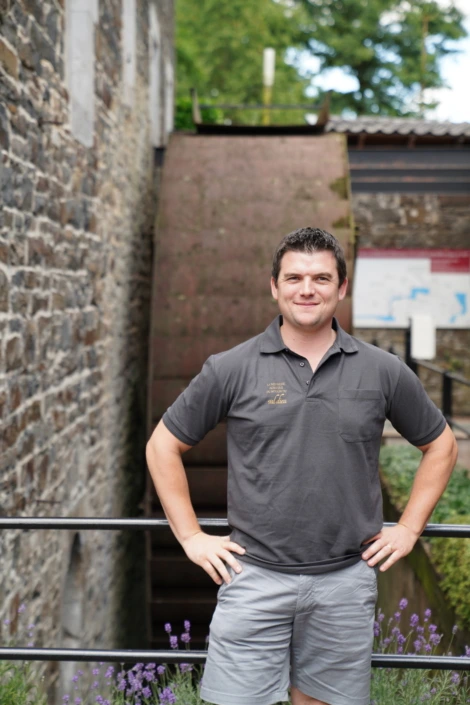
Nicolas
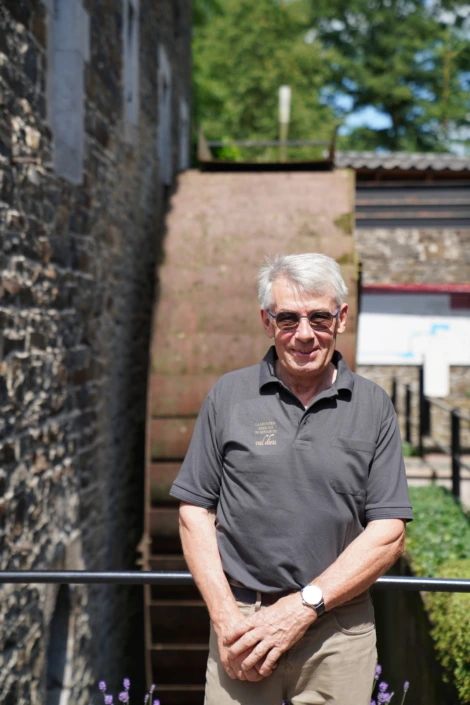
François
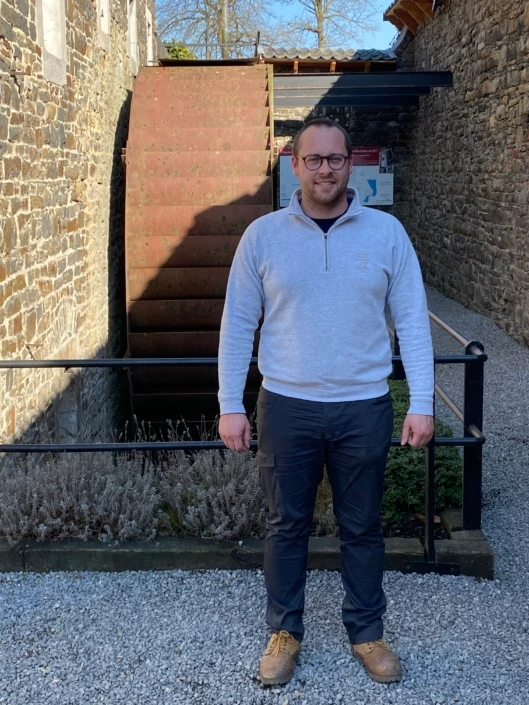
Martin
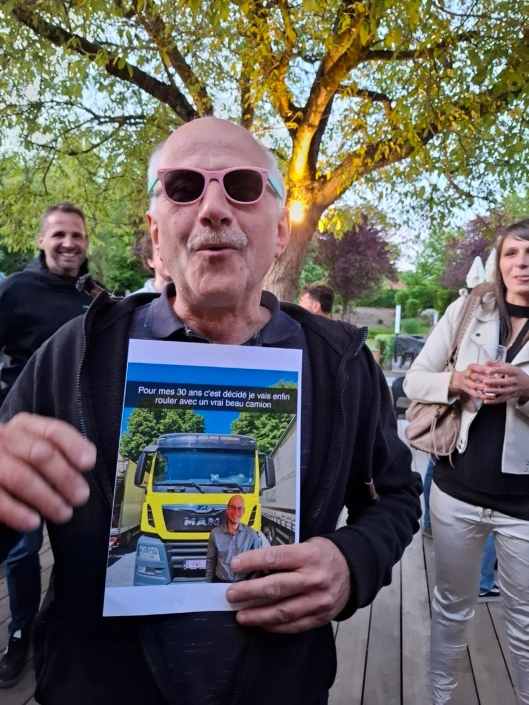
Fréderic
“The Val-Dieu Mill, 800 Years Along the Water” retraces the life of the Mill through the ages.
This book brings together the work of historians, an architect, and current millers to pass on the complete history of the site.
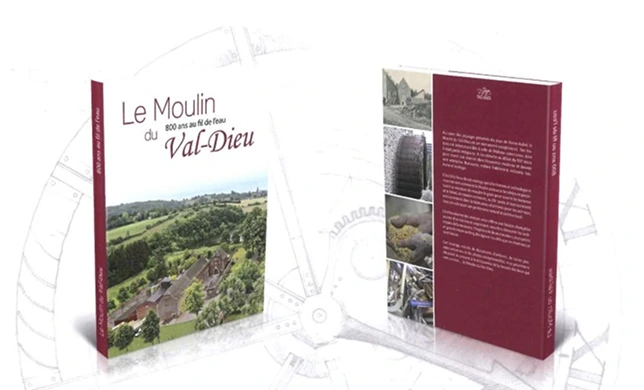
Available at the Val-Dieu Mill and in numerous retail outlets for 34 euros.
By post: transfer 41.5 EUR for each copy ordered (including 7.5 EUR shipping fees)
to account BE36 7765 9927 4181 with the reference “Book 800 years” + name, address, and phone number.
Information: 087/68.01.80 – 0497/55.13.50 – philippe[@]moulinhick.be
The story of the Val-Dieu Flour Mill is not defined solely by its buildings or operations. It is also set in a remarkable natural environment featuring ponds, meadows, marshes, hedgerows, and bocage landscape.
The nature reserve reflects the commitment to maintaining a strong link between local activity, farming, and biodiversity.